 Business License
A Complete Learning Guide to Lithium-ion Batteries: From Beginner to Advanced
As the new energy industry booms, lithium-ion batteries have become ubiquitous in daily life, powering mobile devices, electric vehicles, energy storage systems and even aerospace equipment. A growing number of practitioners are stepping into this promising sector. However, beginners often feel confused by professional terms such as ternary materials, SEI films and PACK processes. This guide systematically sorts out core knowledge covering basic theories, key materials, manufacturing processes and advanced expertise. It suits professionals engaged in R&D, process engineering, quality control, sales and international trade.
1. Fundamental Theories
A solid theoretical foundation is essential for further learning. It is not necessary to delve into in-depth academic research, but the core principles must be well understood.
1.1 Electrochemistry
Lithium-ion batteries are essentially electrochemical devices. Master the working principles of galvanic cells and electrolytic cells, redox reactions, electrode potential variation and lithium ion migration rules. These theories explain the charging and discharging mechanisms as well as the root causes of capacity degradation.
1.2 Physical Chemistry
Focus on knowledge closely related to battery performance, including thermodynamics (energy conversion rules), kinetics (factors affecting reaction rate), ion diffusion and material phase transition during charge-discharge cycles. These factors directly determine cycle life and charging rate.
1.3 Electrical & Electronic Basics
Grasp basic concepts including voltage, current, internal resistance, capacity and energy density. Learn the principles of cell series and parallel connection, and basic circuit logic of the Battery Management System (BMS). This knowledge is practical for both technical operation and customer communication.
1.4 General Chemistry
Learn properties of inorganic substances such as lithium, cobalt and nickel, as well as basic organic chemistry related to electrolyte solvents and binders. Familiarity with polymer characteristics of separators and adhesives will help you understand material-related terminology efficiently.
2. Core Battery Materials
2.1 Cathode Materials (Energy Source)
Cathode materials define cell voltage platform and energy density. The mainstream categories and their applications are as follows:
Ternary Materials (NCM/NCA): Featured by high energy density, widely applied in passenger electric vehicles and high-end consumer electronics. Products like NCM523 and NCM811 contain increasing nickel content for higher energy density, while facing relatively higher risks in safety, cycle attenuation and high-temperature performance.
Lithium Iron Phosphate (LFP): Outstanding in safety performance and cycle life with low cost. It is the preferred choice for energy storage systems, electric buses and economical electric vehicles, with a typical cycle life exceeding 2000 times.
Other Cathode Materials: Lithium Cobalt Oxide (LCO) is mainly used for mobile phone batteries due to its high energy density yet high cost and mediocre safety. Lithium Manganese Oxide (LMO) features low cost but poor cycle performance, commonly adopted in hybrid vehicles. Lithium Manganese Iron Phosphate (LMFP) combines the advantages of LFP and LMO, and is regarded as a promising material for future energy storage.
Material modification technologies such as coating, doping and nanocrystallization are widely adopted to improve cycle stability and safety.
2.2 Anode Materials (Lithium Ion Storage Medium)
Anodes are responsible for storing and releasing lithium ions. Three mainstream types are listed below:
Graphite Materials (Natural & Artificial Graphite): The dominant products in the current market, with stable performance and low cost. Key evaluation indicators include initial coulombic efficiency and volume expansion rate.
Silicon-based Anodes: Possess over three times higher energy density than graphite, serving as a key breakthrough for long-range electric vehicles. The main challenge is its extreme volume expansion (up to 300%) during operation, which leads to rapid performance decay.
Special Anode Materials: Hard carbon and soft carbon are suitable for fast-charging and low-temperature working conditions. Lithium Titanate (LTO) delivers superior safety and ultra-long cycle life, mainly used for energy storage and special-purpose batteries.
2.3 Electrolyte (Ion Conduction Medium)
Known as the "blood" of batteries, electrolytes enable lithium ion transport and affect conductivity, safety and wide-temperature adaptability. They consist of three components:
Solvents: Mainly carbonate compounds such as EC, DMC and EMC. Strict moisture control is required, as excessive moisture will damage cell performance.
Lithium Salts: Lithium Hexafluorophosphate (LiPF₆) is the mainstream option. Lithium Bis(fluorosulfonyl)imide (LiFSI) is an emerging alternative with better chemical stability and lower toxicity.
Additives: Account for only 1% to 5% of the total mass but play vital roles. Film-forming additives help form protective SEI films; flame retardant additives enhance safety; overcharge protection additives prevent thermal runaway caused by overcharging.
2.4 Separators (Safety Barrier)
Separators isolate cathodes and anodes to avoid internal short circuits while allowing lithium ions to pass through.
Dry-process Separators: Low cost and good air permeability, mostly used for low and medium-end batteries.
Wet-process Separators: Uniform pore structure and excellent mechanical strength, occupying over 80% of the market due to reliable safety performance.
Key indicators including thickness, porosity and thermal stability directly influence battery safety and rate capability.
3. Battery Structures & Manufacturing Processes
3.1 Main Cell Configurations
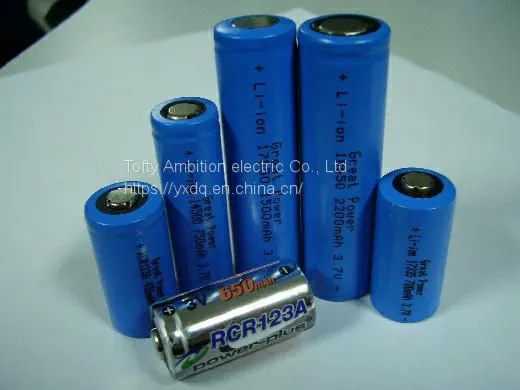
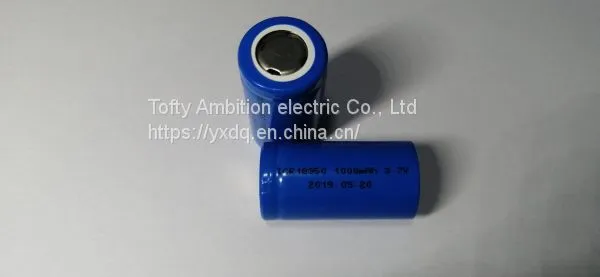
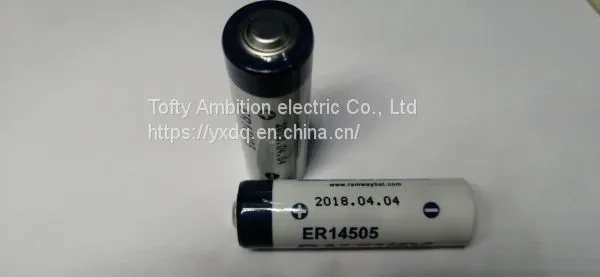
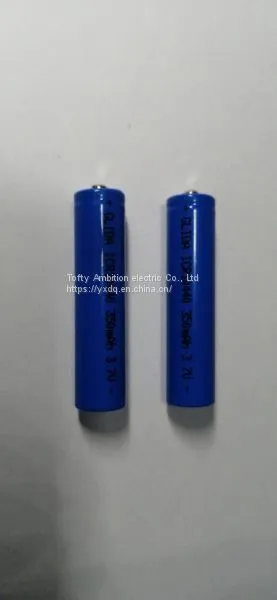
Cylindrical Cells (18650, 21700): Simple structure and low manufacturing cost, widely used in consumer electronics and energy storage equipment.
Prismatic Cells: Excellent structural stability and safety, the mainstream design for new energy vehicles (e.g., blade batteries).
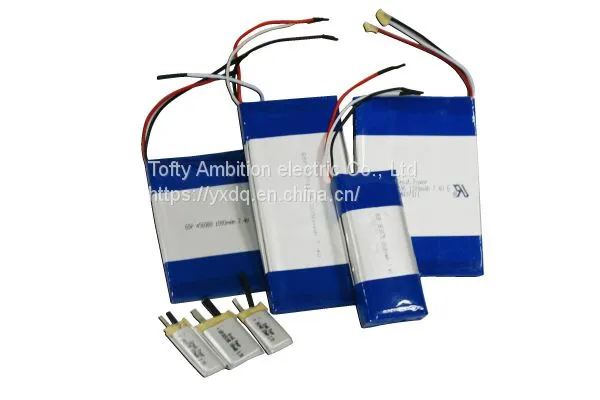
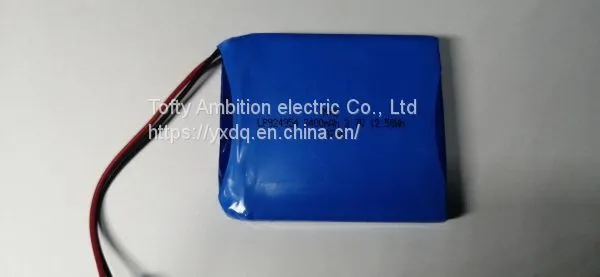
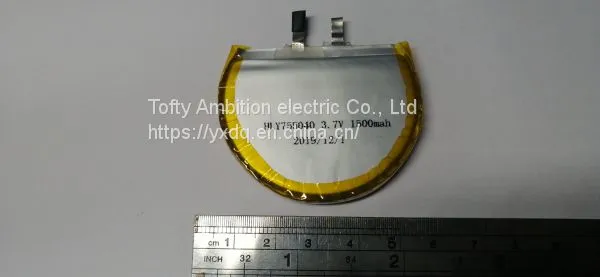
Pouch Cells: Lightweight, flexible and high in energy density, commonly applied in smartphones and wearable devices.
3.2 Core Cell Manufacturing Process
Electrode Preparation
The workflow includes material mixing, slurry coating, calendaring and slitting. Uniform coating and controlled electrode density are critical quality control points.
Cell Assembly
The standard procedures are winding/stacking, sealing, electrolyte filling, formation and grading. Formation activates cells and promotes the formation of SEI films; grading classifies cells according to actual capacity.
3.3 PACK Assembly Process
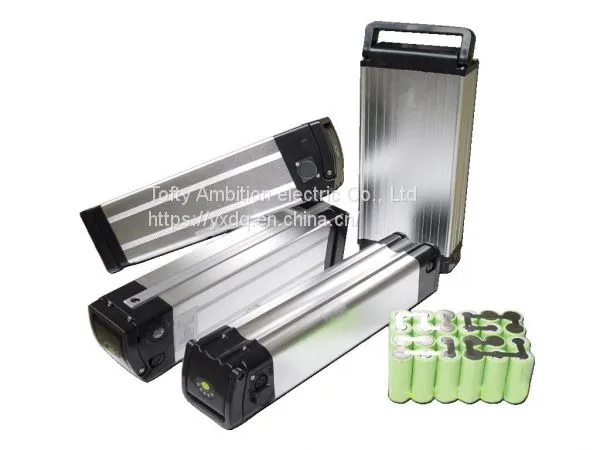
Single cells cannot be used independently. The PACK process assembles cells into battery packs for practical use: cell series-parallel connection, welding, housing assembly, BMS integration and comprehensive performance testing. Cell consistency is the top priority to avoid abnormal voltage difference and local overheating. This process is widely applied in electric vehicles and large-scale energy storage stations.
4. Advanced Knowledge & Professional Competencies
4.1 Performance Testing & Simulation
Conventional Tests: Capacity test, cycle life test, rate performance test, wide-temperature performance test and internal resistance test.
Safety Tests: Nail penetration, extrusion, overcharge and short circuit tests to verify cell safety limits.
Simulation Technology: Electrochemical simulation, structural simulation and thermal simulation are adopted to optimize design. Common software includes COMSOL and ANSYS.
4.2 Safety Specifications & Industry Standards
Lithium-ion batteries are classified as dangerous goods, and relevant standards must be complied with:
Domestic Standards: GB/T 31484 (power batteries), GB/T 18287 (consumer lithium batteries), GB/T 36276 (energy storage batteries).
International Standards: UN38.3 (transportation regulations), IEC 62133 and UL 1642 (safety certification for lithium batteries).
Relevant policies on battery recycling and secondary utilization are also important references.
4.3 Industrial Chain & Development Trends
Industrial Chain Layout
Upstream: Mineral raw materials including lithium, cobalt and nickel.
Midstream: Production of four major materials (cathode, anode, electrolyte, separator), cell manufacturing and PACK assembly.
Downstream: Application scenarios covering electric vehicles, energy storage, consumer electronics and aerospace.
Main Development Trends
The industry is moving toward higher energy density (high-nickel ternary materials, silicon-based anodes), enhanced safety (solid-state batteries, flame-retardant materials), cost reduction (cobalt-free technology, upgraded LFP materials), fast charging capability and industrialized battery recycling.
Recently Posted
-
Battery industry release exhibition
May 10, 2018More than 100 companies producing cars and batteries gathered at the Summit on May 21 to discuss win-win strategiesSo far, the org Read More
 -
The unacceptable weight of high cobalt prices
May 9, 2018High Cobalt Price Unaffordable Heavy Lithium Battery Enterprises to Remove Material Substitute TideAt present, there are three mai Read More